Comparing Apigee And Mulesoft – The Two Leading Integration Platforms
 By Admin
 Thu, Apr 30, 2020
Updated: Thu, Oct 8, 2026
5 min read
Thu, Apr 30, 2020
Updated: Thu, Oct 8, 2026
5 min read
 mulesoft consulting services
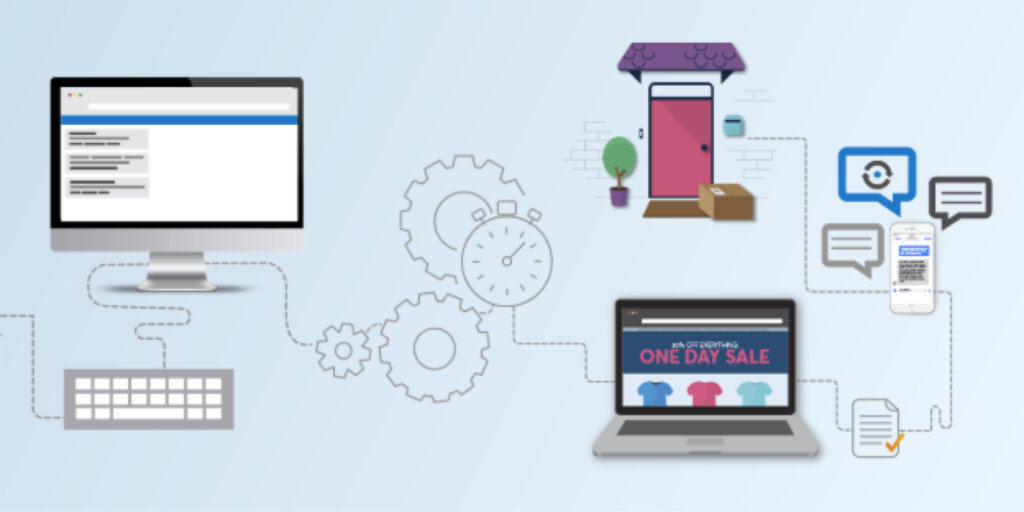
A lot of organizations and enterprises are implementing the API management-based strategy, which involves a lot of practices to be built and managed. All these tools help in undertaking various tasks like the communication of applications, monitoring of logs and the analysis of data.
Employees and organization:
Apigee API management platform was acquired by Google in the year 2016. The company has less than 500 employees and has the best capabilities to offer to all the enterprises. Acquired by Salesforce in March 2019, Mulesoft is a USA-based company and has more than 1100 employees in it. When one puts all these kinds of applications together, then they provide a lot of features which help in achieving the goals of the organization.
Products:
The product of Apigeee is known as Apigee Edge, which is the single best platform for all the management of developer-based services and analytics. It can perform functions like security, design of API, monitoring and publishing services. This solution can provide both on-premises as well as the cloud-based services to the consumers. The cloud version is cheaper and easier to install from the consumer’s point of view.
The product of Mulesoft is called as the Anypoint platform. With the help of this, the users can combine the internal as well as third-party applications. The users are very well able to discover and manage the integrations using this product. The company always aims to provide digital transformations to all the consumers and speed up the whole process. This product has been able to make the integration process extremely fast, and this can be done on cloud-based systems.
Pricing:
Pricing is not an easy comparison to be made in both these companies. The potential customers struggle on decision-making among both of them. Google has an exceptionally good reputation in terms of innovation, whereas, on the other hand, Salesforce can provide the best quality enterprise solutions. Both companies are very well able to provide best quality products to the consumers that can be implemented in their business units. The choice among both comes down to the technical base of capabilities where both of them have their particular strengths.
Apigee is considered to be mature in the cases of management of microservice, whereas Mulesoft is considered ahead in terms of integration-based capabilities. Both companies are working to close all these kind of gaps in the whole process. The Mulesoft platform provides various unique features, which provide easy implementation of the API.
Both are considered good in terms of availability, security, reliability and the scalability. The thing is that the developers who want to use such products must have good knowledge of the systems so that they can implement them effectively and efficiently in the best interest of the organizations in which they work. So, select according to your requirement, and you are good to go.
Frequently Asked Questions
What is the main difference between Apigee and MuleSoft?
Apigee focuses on API management, covering API design, security, publishing, monitoring and analytics, whereas MuleSoft’s Anypoint Platform combines integration and API management in one platform. In practice, Apigee suits teams centered on managing and exposing APIs, and MuleSoft suits teams that must also connect and transform data between many systems.
What is Apigee?
Apigee is an API management platform that Google acquired in 2016. It helps organizations design, secure, publish, monitor and analyze APIs. Apigee is typically used to manage how internal services and partners consume APIs, rather than to build large multi-system integration flows.
What is MuleSoft Anypoint Platform and who owns it?
MuleSoft Anypoint Platform is an integration and API management platform made up of tools such as Anypoint Studio, Design Center, Exchange, Runtime Manager and API Manager, running on the Mule runtime. Salesforce acquired MuleSoft in 2018, so MuleSoft is now part of the Salesforce family.
Which is better for integration, Apigee or MuleSoft?
Neither is better in every case. MuleSoft is generally chosen when the main need is integrating many applications and data sources, while Apigee is generally chosen when the main need is managing and securing APIs at scale. The decision depends on your use case, existing cloud and tooling, and team skills.
How do Apigee and MuleSoft compare on pricing?
Pricing is difficult to compare directly because both vendors price by their own licensing and usage models, and costs depend on scope. Compare total cost using your expected API traffic, number of applications, deployment model, support level and the development effort needed, and request current quotes from each vendor.
Can Apigee and MuleSoft be used together?
Yes, some organizations use both, for example MuleSoft to build integrations and Apigee to manage and secure externally facing APIs. Whether this makes sense depends on your governance needs and budget, since running two platforms adds operational overhead compared with standardizing on a single one.
How should I choose between Apigee and MuleSoft for my organization?
List your primary needs first: API management features, integration with existing systems, deployment preferences, cloud alignment and team expertise. Then run a small proof of concept on each shortlisted platform. An independent consultant can help evaluate the trade-offs without being tied to a single vendor’s product.
Does Pro Integrate provide both Apigee and MuleSoft services?
Yes, Pro Integrate offers consulting for both platforms. See the Apigee development services and MuleSoft consulting services pages for details on how the team can help you evaluate and implement either option.
Can Pro Integrate help companies in the US, UK and India compare Apigee and MuleSoft?
Yes, Pro Integrate is a global IT consulting company with teams serving clients in the US, UK and India, and can support platform comparison and implementation across those regions. Reach the team through the contact page to discuss your requirements.